
Planning
Starting a Food Truck Business: The Vehicle Decisions to Make First
To start a food truck business, settle the menu, the places you will trade and the permits those places need before you order a vehicle. Those answers decide the equipment, whether you need a commissary, and whether a truck or a trailer makes more sense. In parts of the US the health department wants plans approved before the vehicle is built, so the order matters.
By Ozan Food TruckPublished 10 min read
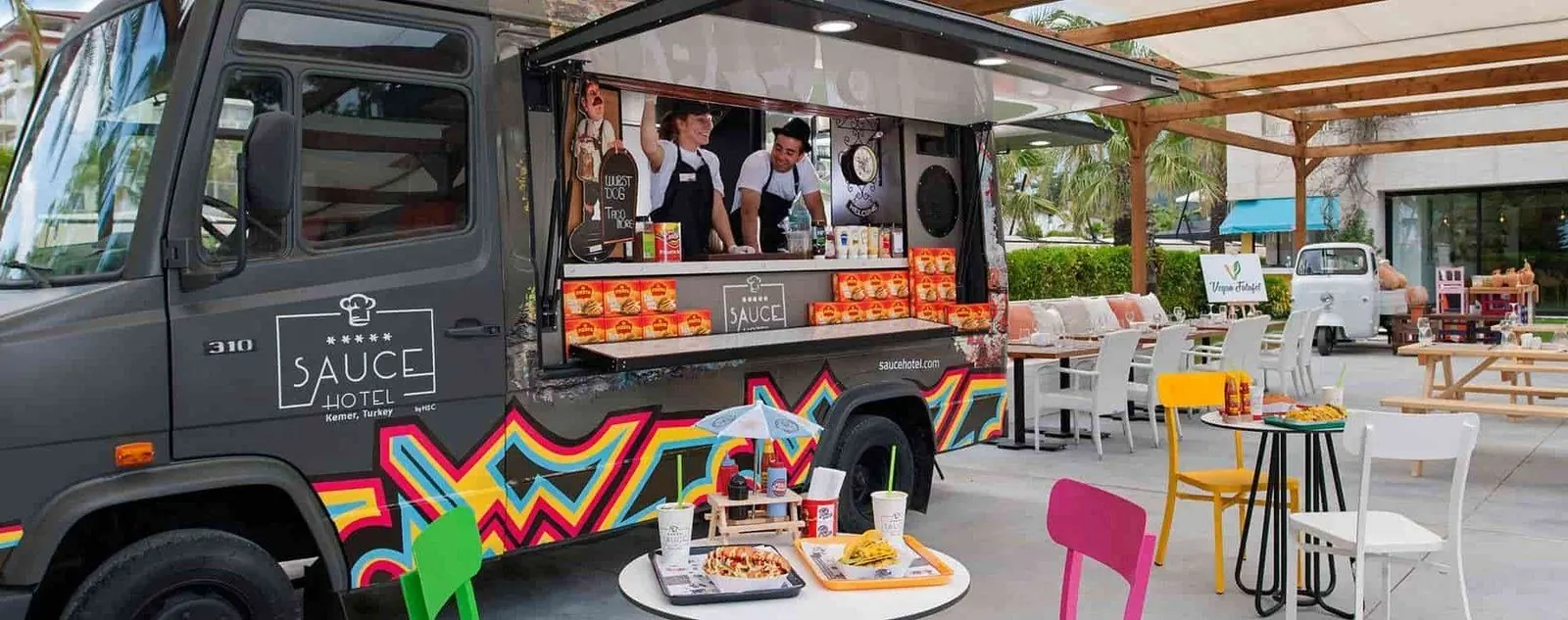
This is not a business plan guide. It covers the vehicle and permit decisions you make before placing an order, in the order we would take them. US food permit rules are mostly set by states, counties and cities, so we use the FDA Food Code, the SBA and two local examples, Los Angeles County and Texas, and point you to the office that decides in your area.
Checked on 29 September 2026.
The decisions in order
| Step | What you decide | What it settles | Who to ask |
|---|---|---|---|
| 1 | The menu | Equipment, licence type, what goes in the plans | Health department |
| 2 | Where you will trade | Which offices issue your permits | Health department, city, fire authority |
| 3 | The commissary | What the vehicle must carry on board | Health department |
| 4 | Truck or trailer | Chassis, towing, driving licence | Vehicle registration office |
| 5 | New or used | Plan review or an evaluation | Health department |
| 6 | The budget | The scope of the build | Your builder |
Each step narrows the next. Skip one and it tends to come back later as a change to a vehicle that is already built.
1. The menu, then the equipment
Health rules are built around the menu. Los Angeles County says it directly: "The level of risk, high or low, has to do with the menu items that will be available." Prepackaged food that needs no refrigeration is generally low risk there. Soft serve and other foods that must be refrigerated and prepared are high risk.
Texas works the same way. From 1 July 2026 the state assigns each mobile food vendor a licence type "based on food preparation activities". Its own examples put prepackaged ice cream vendors in Type I, coffee trucks and hot dog vendors in Type II, and burger, BBQ and taco trucks in Type III.
The menu also goes on paper early. Where a jurisdiction follows the FDA Food Code, the plans you submit can include the intended menu, the expected volume of food, the layout, and each piece of equipment with its manufacturer and model number (8-201.12). The Code asks for those plans before construction or conversion (8-201.11).
Our reading: turn the menu into an equipment list before you talk about the vehicle. Our guide to food truck ideas shows what 12 different menus put inside a truck.
2. Where you will trade, and who issues the permit
FDA puts it plainly. Restaurant and retail food oversight in the US "is typically handled at the state and local levels, rather than the federal level." The SBA says much the same about business licences in general: the licences and permits you need "from the state, county, or city will depend on your business activities and business location." Restaurants and retail are on its list of activities commonly regulated at the local level.
The office can change within one county. Los Angeles County Public Health permits and inspects mobile food facilities across the county, but Long Beach, Pasadena and Vernon run their own environmental health departments. LA County also requires every mobile food facility to report its route and schedule, and to update it when the route changes significantly.
Rules move between levels, too. Texas DSHS says that from 1 July 2026 every mobile food vendor in the state needs a DSHS licence. Before that, vendors "had to get licenses from local health departments for each local jurisdiction they operated in." A pre-licensing inspection comes first, and the licence expires one year after it.
Health is not the only office. In Austin, fire applications and inspections go through the Austin Fire Department or the Travis County Fire Marshal.
Then there is timing. Under the Food Code you may not operate without a valid permit, and the application goes in at least 30 calendar days before the planned opening (8-301.11, 8-302.11). Your jurisdiction may set its own timeline.
Our reading: list every city and county where you plan to trade, and ask each health department and fire authority which permits apply before you order. We have not read any city's parking or zoning rules for this guide, so ask your city where a food truck may stand.
3. The commissary question
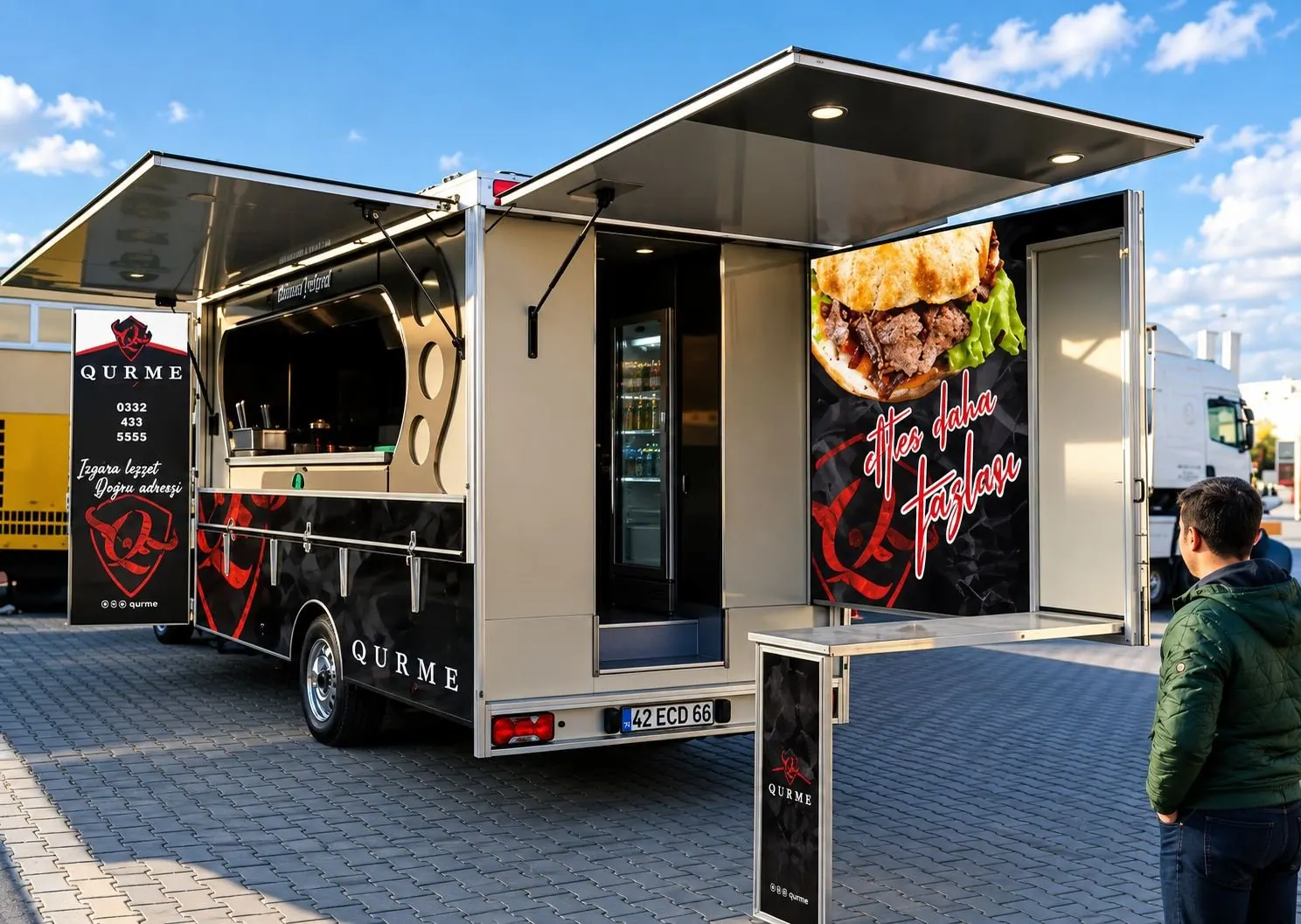
A commissary is a fixed food facility that supports the truck, for example with storage, cleaning, water and waste disposal. Whether you need one is a vehicle decision as much as a permit decision.
The 2026 FDA Food Code defines a servicing area as an operating base the vehicle "returns regularly" to for cleaning the vehicle and equipment, discharging waste, refilling water tanks and ice bins, and loading food. The same edition adds "commissary" to its definition of a food establishment. FDA's notes explain that many mobile food establishments "require operational support from a fixed facility", and that the authority may require a commissary when the truck or operation cannot support the food preparation, storage or sanitation it needs. FDA's guide to plan review adds that the decision to require a commissary or servicing area should rest on "the menu, type of operation, and availability of on-board or on-site equipment."
Not every state is on the 2026 edition. FDA's 2024 adoption report found state agencies in 24 states on one of the two most recent versions at that time, 2022 or 2017. So your state's rules may not use this wording yet.
Local practice shows what is at stake. LA County defines a mobile food facility as a vehicle "used in conjunction with a commissary or other permanent food facility", and its permit routes for new and previously owned vehicles both ask for a commissary contract.
Texas takes a different route. A vehicle there must operate from a central preparation facility (CPF) unless it meets an exemption. The exemption checklist looks at the vehicle itself:
- enough cooling, heating, and hot and cold holding equipment on board;
- food stored safely beyond operating hours;
- warewashing compartments large enough to cover the largest utensil with water.
A private residence cannot be used as a CPF. A servicing area log records each water fill and each waste disposal.
Our reading: ask your health department early whether your menu needs a commissary, and, if an exemption exists where you trade, what the vehicle would need on board to qualify. The answer changes the fridge, storage and sink sizes you give the builder.
4. Truck or trailer
Our food trucks and trailers page lists three bases: a box body on a chassis cab, a converted panel van or a towable trailer, "chosen for where you trade and how often you move." Texas counts trucks and trailers alike as food vending vehicles, and its guide says they "must completely retain their mobility at all times."
The two differ more on the road than in the kitchen. A trailer needs a tow vehicle, and you need to confirm that your driving licence covers towing it, so ask your vehicle registration office. A truck carries its own chassis. If your truck is built on a truck chassis for the US, it can fall under 49 CFR Part 568, which covers vehicles made in two or more stages. There, a final-stage manufacturer has to complete the vehicle to the applicable standards. Ask who takes that role before the build starts.
Weight shows up in the permit files as well. The Texas exemption checklist asks for records of loaded vehicle weight issued by the Texas Department of Transportation. The SBA notes that permits for an oversize or overweight vehicle are issued by your state government. Towing, licences and space are compared in our guide to food truck vs food trailer.
5. New or used
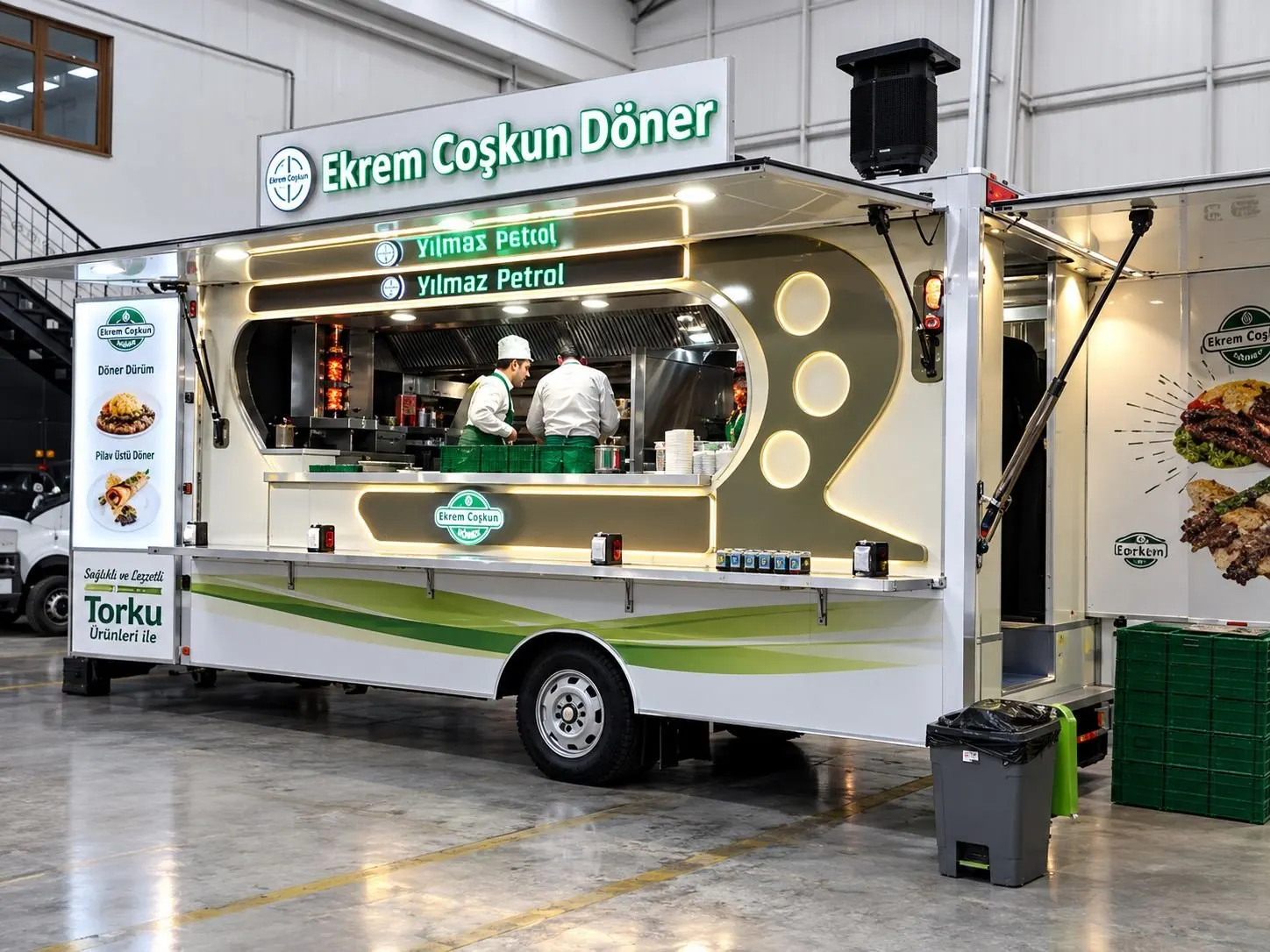
A used truck is not a way around the permit process. In LA County a new build goes through plan check first, and the checklist says: "After plans are approved by the Plan Check Program, build MFF." A previously owned vehicle takes the lease or change of ownership route instead. That route still asks for a permit application, operating procedures with your menu, a commissary contract and ownership documents. The county then evaluates the vehicle and the commissary.
The Food Code can also ask for plans when you remodel or change the type of food operation, if the authority decides plans are needed (8-201.11).
Our reading: if you buy used and change the menu or the kitchen line, ask your health department whether that sends you back to plan review. Title, lien and recall checks are in our guide to new vs used food trucks.
6. What drives the cost
We do not publish prices. Every food truck is built to order, so the price follows the scope of the project. On our food truck page the main factors are the vehicle type and body size, the kitchen equipment chosen for your food, the power and water systems, and the branding and delivery.
Each decision above feeds one of those lines. A Type III menu in Texas is one you prepare, cook and hold on board, so the cooking and holding equipment has to be on the vehicle. A commissary exemption asks for enough holding and storage on the vehicle itself. The parts behind the price are broken down in how much a food truck costs to build.
What to send the builder for a quote
- Your menu, split into what you cook on board and what arrives ready.
- Roughly how much food you expect to store and serve on a busy day.
- The cities and counties where you plan to trade.
- What your health department said about a commissary or servicing area.
- Truck, panel van or trailer, or a chassis you already own.
- How you plan to get power: generator, shore power or batteries.
- Whether you need drawings and an equipment list with model numbers for plan review.
We reply with questions first, then drawings and a quote. The layout, exterior design and equipment list come to you for approval before manufacturing starts, and the destination country's requirements are considered at the design stage.
Frequently asked questions
What is the most profitable food on a food truck?
None of the official sources we used publishes profit by menu, and we do not give income figures. What the menu does change can be checked: the licence type in Texas, the risk level in LA County and the equipment in your plans. Get local prices for those before you choose.
What is the failure rate of a food truck?
We found no official failure rate for food trucks in the sources we read. What you can settle before ordering are the permit, commissary and plan review questions above, so the vehicle is built for the menu and places your authority has confirmed.
How much does it cost to open a food truck in Canada?
We have not checked Canadian rules for this guide, and we do not publish prices. The cost lines of the build are the ones on our food truck page: vehicle type and body size, kitchen equipment, power and water, branding and delivery. Ask the health authority and the city where you plan to trade which permits apply.
If you know your menu and where you will trade, send them through the quote form. Every food truck and food trailer we make is built in our own factory, with the kitchen laid out for your menu.
Related guides
- Food Truck and Food Trailer Sizes: How to Plan Length, Weight and Layout
- Food Trucks for Events and Festivals: Power, Water and Pitch Questions
- Small Food Trailers: What Fits Inside and What Does Not
- Ordering Food Trucks for a Franchise or Brand: How to Keep Every Truck the Same
Sources
- FDA Food Code 2026 (1-201.10, 5-401.11, 8-201.11, 8-201.12, 8-301.11, 8-302.11, Annex 3, Annex 7)
- FDA, FDA Food Code
- FDA, Adoption of the FDA Food Code by State and Territorial Agencies
- U.S. Small Business Administration, Launch your business (Apply for licenses and permits)
- Los Angeles County Public Health, Food Service Trucks, Trailers, and Boats
- Los Angeles County Public Health, Mobile Food Facility New Construction Checklist
- Los Angeles County Public Health, Mobile Food Facility New Construction Process
- Los Angeles County Public Health, Lease or Change of Ownership Process
- Texas Department of State Health Services, Mobile Food Vendors
- Texas Department of State Health Services, Mobile Food Vendor Guide (May 2026)
- Austin Public Health, Mobile Food Vendors
- 49 CFR Part 568, Vehicles manufactured in two or more stages

By
Ozan Food Truck
This guide is based on the laws, regulations, official guidance and manufacturer documents linked in the text. It is general information, not legal or engineering advice. Rules differ by country, state and city, so confirm the details with your local authority before you build or buy.